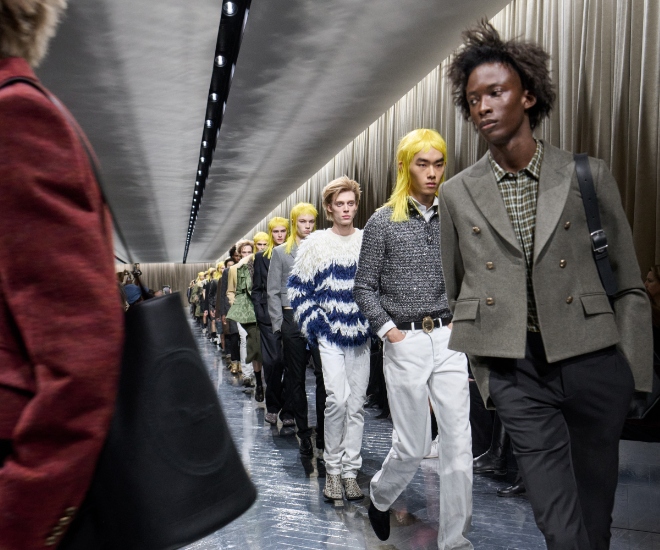

LUXUO explores what the latest Males’s Trend Week reveals in regards to the present state of menswear. The pared-back Milan and Paris calendars this January have been a mirrored image of a luxurious sector underneath stress. The absence of key gamers and the scaling again of main reveals uncovered a recalibration underway, as luxurious manufacturers rethink the function of menswear in an more and more cautious market. With fewer labels displaying and several other main names absent, Milan and Paris Males’s Trend Weeks signalled a shift in the direction of sartorial fundamentals and business reliability. Maisons positioned an emphasis on what males will realistically put on, attain for of their closets and usually tend to put money into over time. This renewed focus was bolstered via artisanal leather-based and refined textures — positioning tactile high quality as central to trendy menswear’s worth proposition.
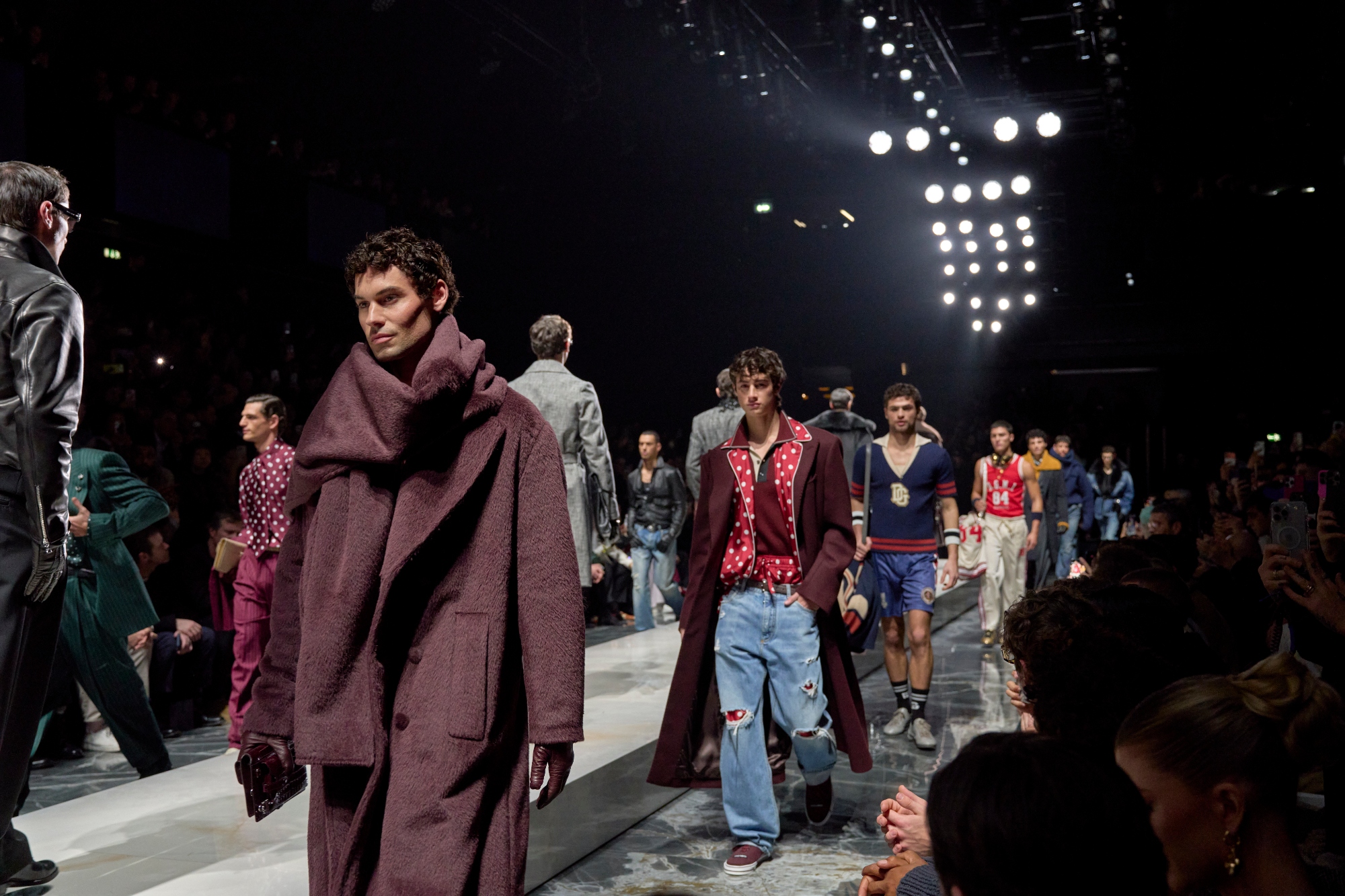
Tailoring re-emerged as a cornerstone of contemporary menswear, ties quietly returned as styling signifiers, baggage took on sensible prominence and acquainted menswear codes have been reworked into hybrid types of what streetwear as soon as represented. Experimentation remained, however it was grounded in recognisable silhouettes and refined supplies. In a season the place Gucci didn’t present, Emporio Armani collapsed its menswear presentation and Zegna’s cultural affect appeares to have waned (for now), males’s autumn/winter ’26 underscored a broader shift in priorities. What emerged from Milan and Paris was a mirrored image on how males costume at the moment and the way luxurious manufacturers should reply — commercially and creatively — to maintain their revenue margins.
The Return of Tailor-made Suiting
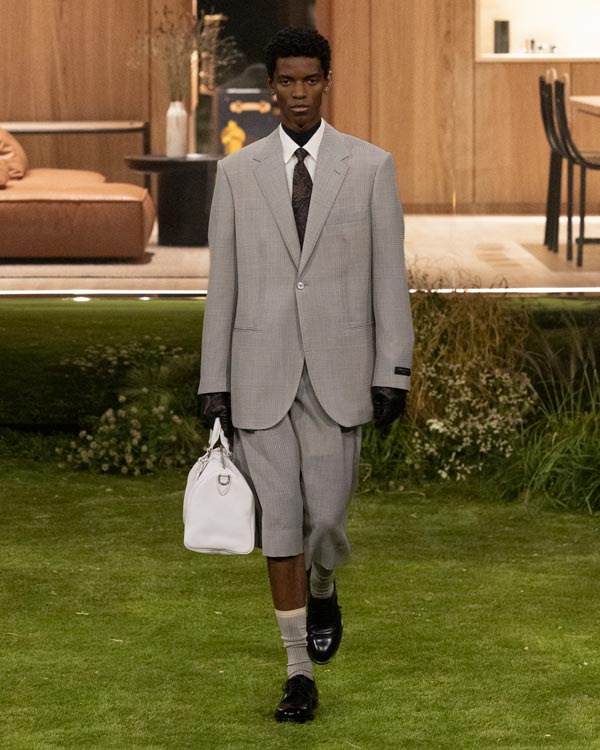
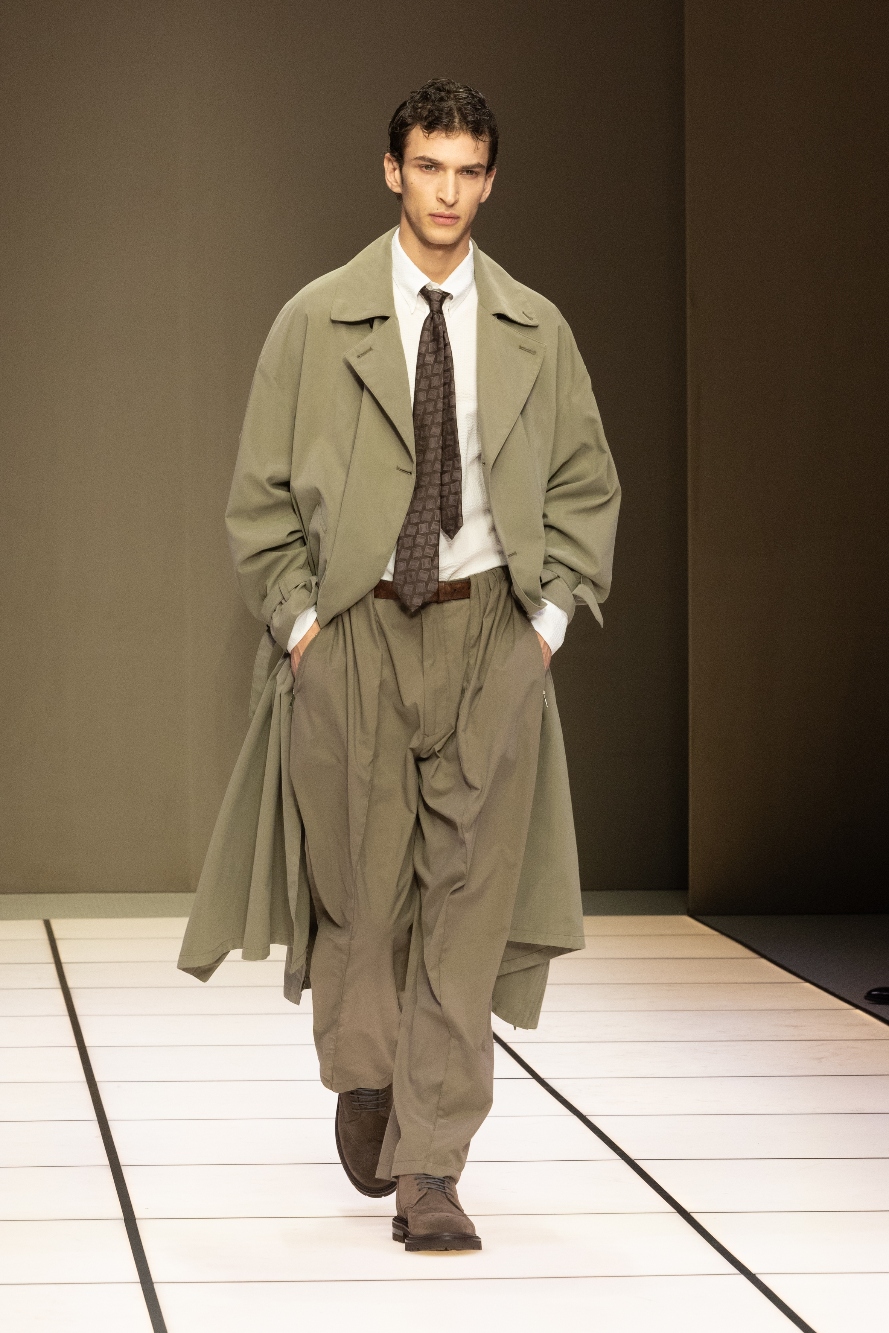
Louis Vuitton (left), Giorgio Armani (proper)
Fits are the spine of menswear and the place earlier seasons noticed the rise of streetwear, this season noticed the return of the swimsuit however with a twist. After seasons dominated by relaxed silhouettes, sharp tailoring is resurfacing as a core menswear language. Autumn/winter ’26 noticed suiting reclaim the highlight, however not in a purely standard sense. Dolce & Gabbana, Louis Vuitton and Ralph Lauren bolstered tailor-made staples, but designers injected trendy pressure via surprising pairings and materials experimentation. At Louis Vuitton, Pharrell Williams referenced traditional houndstooth and checks, however with reflective yarns and bonded shirting that gave conventional tailoring a technical, virtually sculptural high quality. The swimsuit was additionally accompanied by the unmistakable resurgence of the tie.
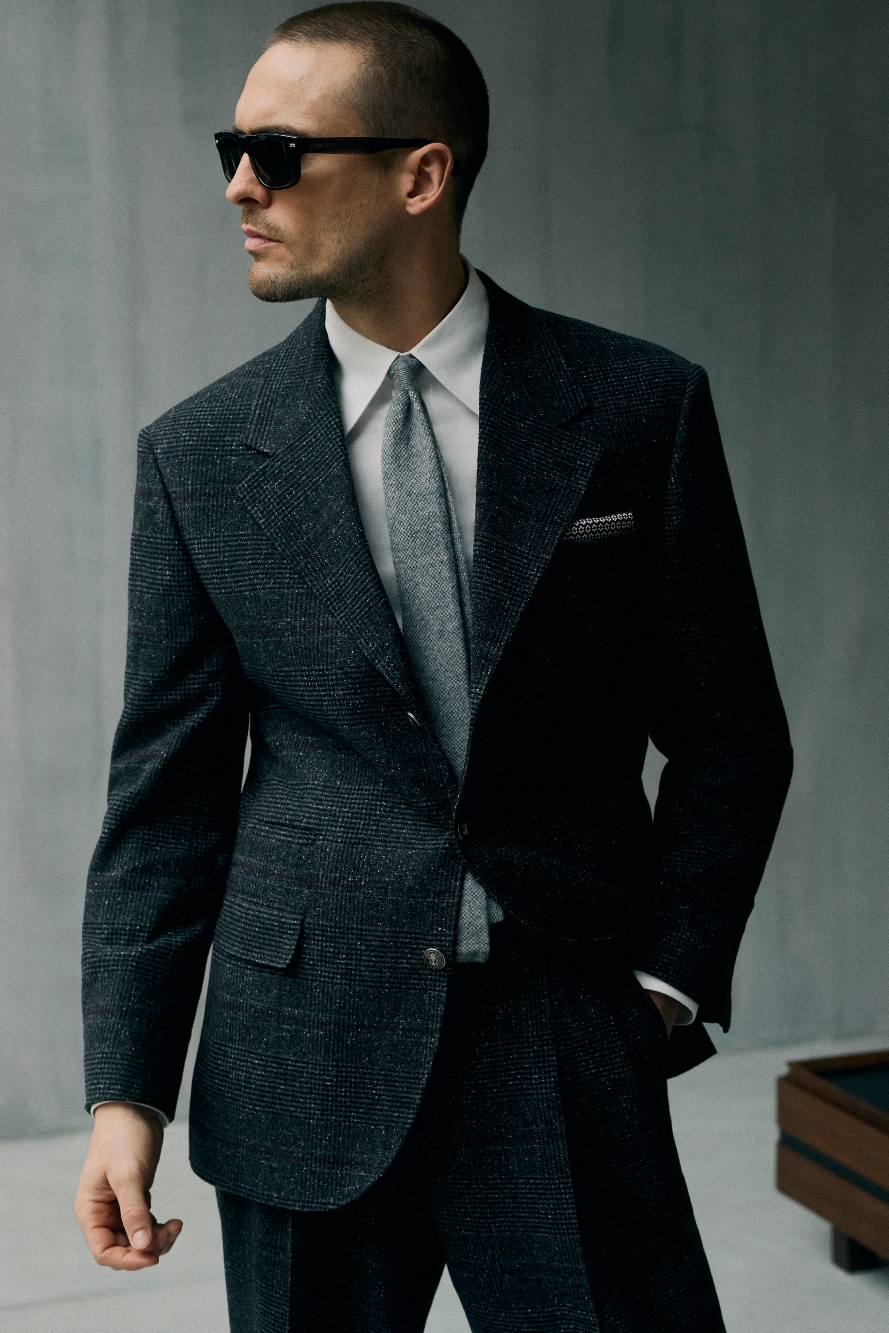
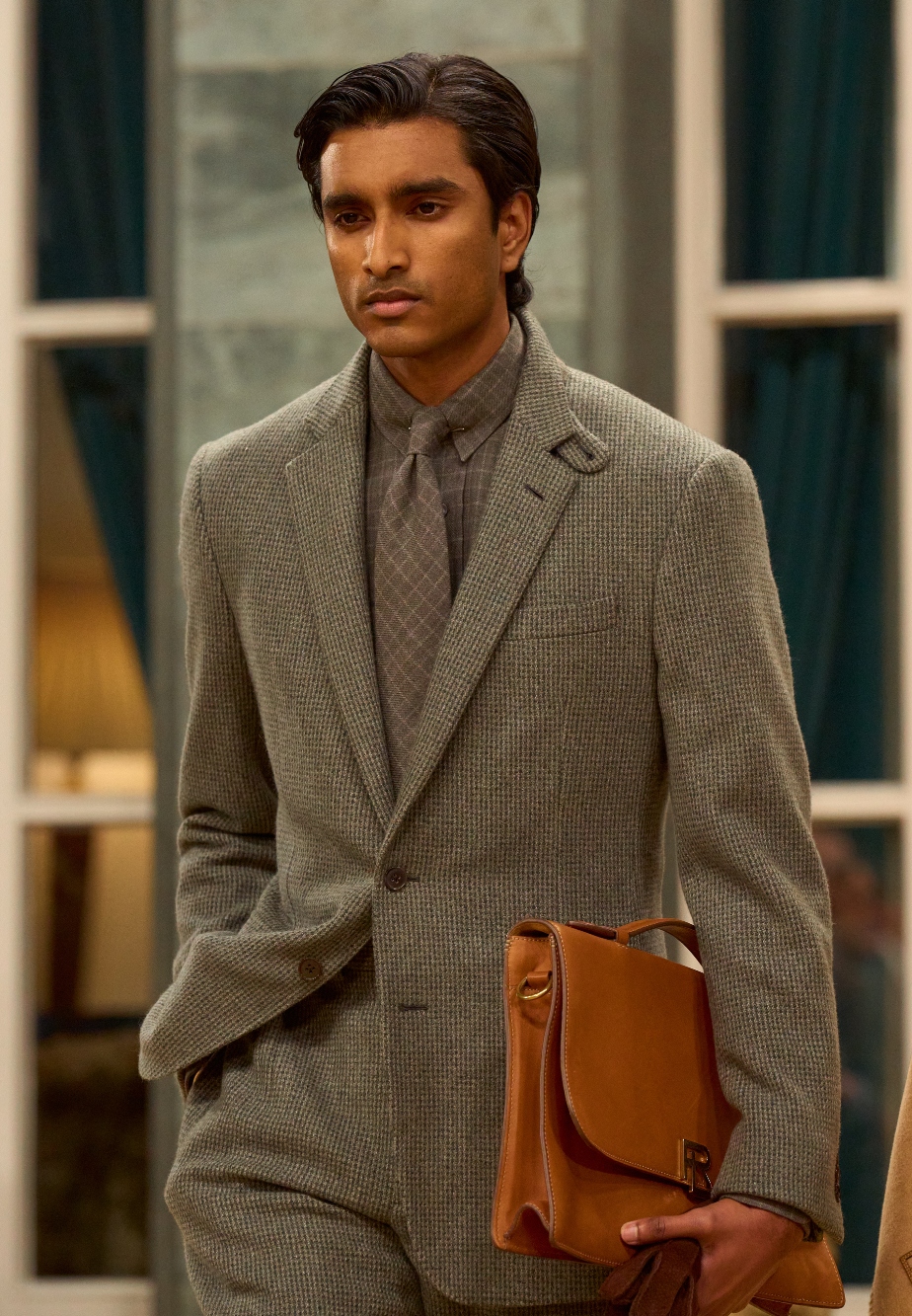
Brunello Cucinelli (left), Ralph Lauren (proper)
Brunello Cucinelli echoed this recalibration via softened blazers with subtly structured shoulders, paired with garment-dyed trousers that includes cargo and utility pockets. The reintroduction of the tie as a key accent signalled a renewed confidence in traditional menswear codes, albeit relaxed and modernised. At Ralph Lauren, tailoring anchored each the model’s Purple Label and Polo shows. From cashmere sport coats to relaxed suiting silhouettes, tailoring was offered as way of life dressing moderately than event put on, reinforcing its function as a long-term wardrobe staple. In the meantime, Dior reframed tailoring via hybridisation. Cropped Bar jackets, elongated blazers and tailcoats have been paired with denim, parkas and lengthy johns, demonstrating how formal construction can coexist with experimentation.
The Rise of Objective‑Pushed Baggage
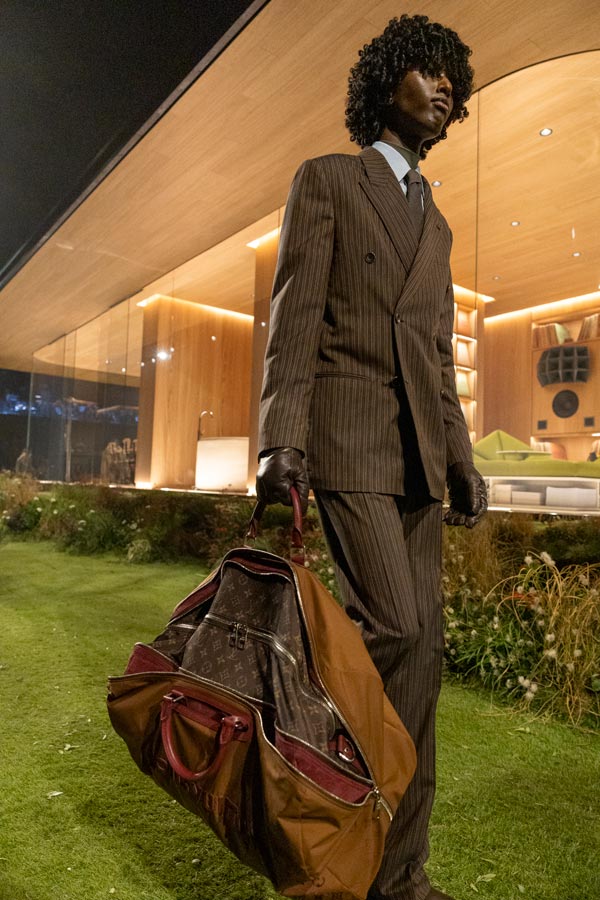
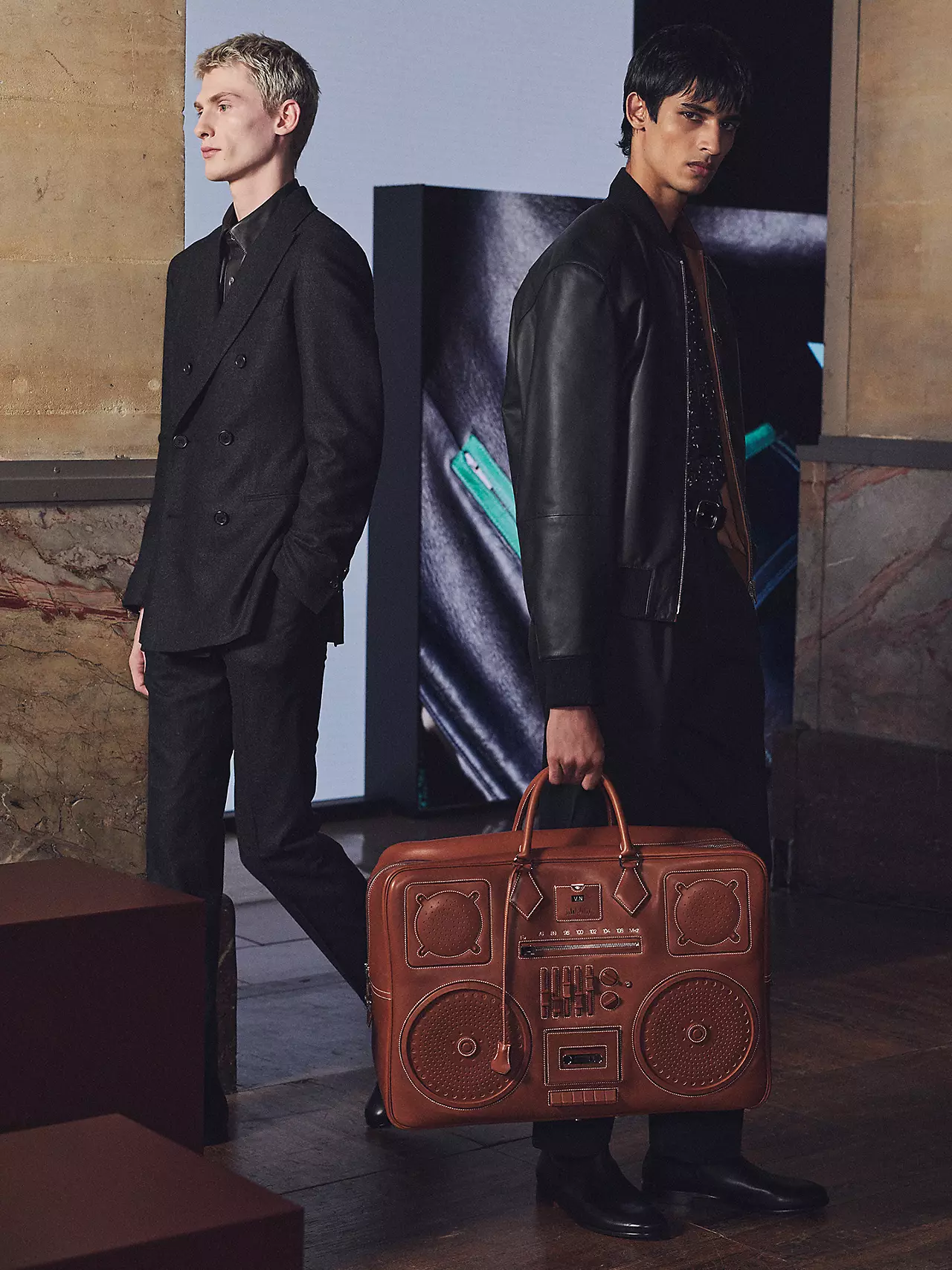
Louis Vuitton (left), Hermes (proper)
Equipment took on purposeful weight throughout Paris and Milan. Males’s baggage this season are constructed for use. There was a practical shift towards purposeful silhouettes — crossbodies, utility pouches and structured totes — that underscore its utilitarian nature and on a regular basis use. From Hermès’ reimagined Plume baggage, together with light-weight canvas variations with leather-based trims, to Dior’s slouchy knit messenger baggage that includes Cannage stitching, autumn/winter 26 emphasised simply how menswear baggage are constructed for use. Louis Vuitton launched silk-nylon hybrids and technical backpacks that steadiness sturdiness with luxurious, whereas nonetheless nodding to model heritage with the Christopher backpack and the Shoulder Alma. Throughout reveals, this utilitarian vitality alerts that equipment are a vital, commercially operational ingredient of menswear.
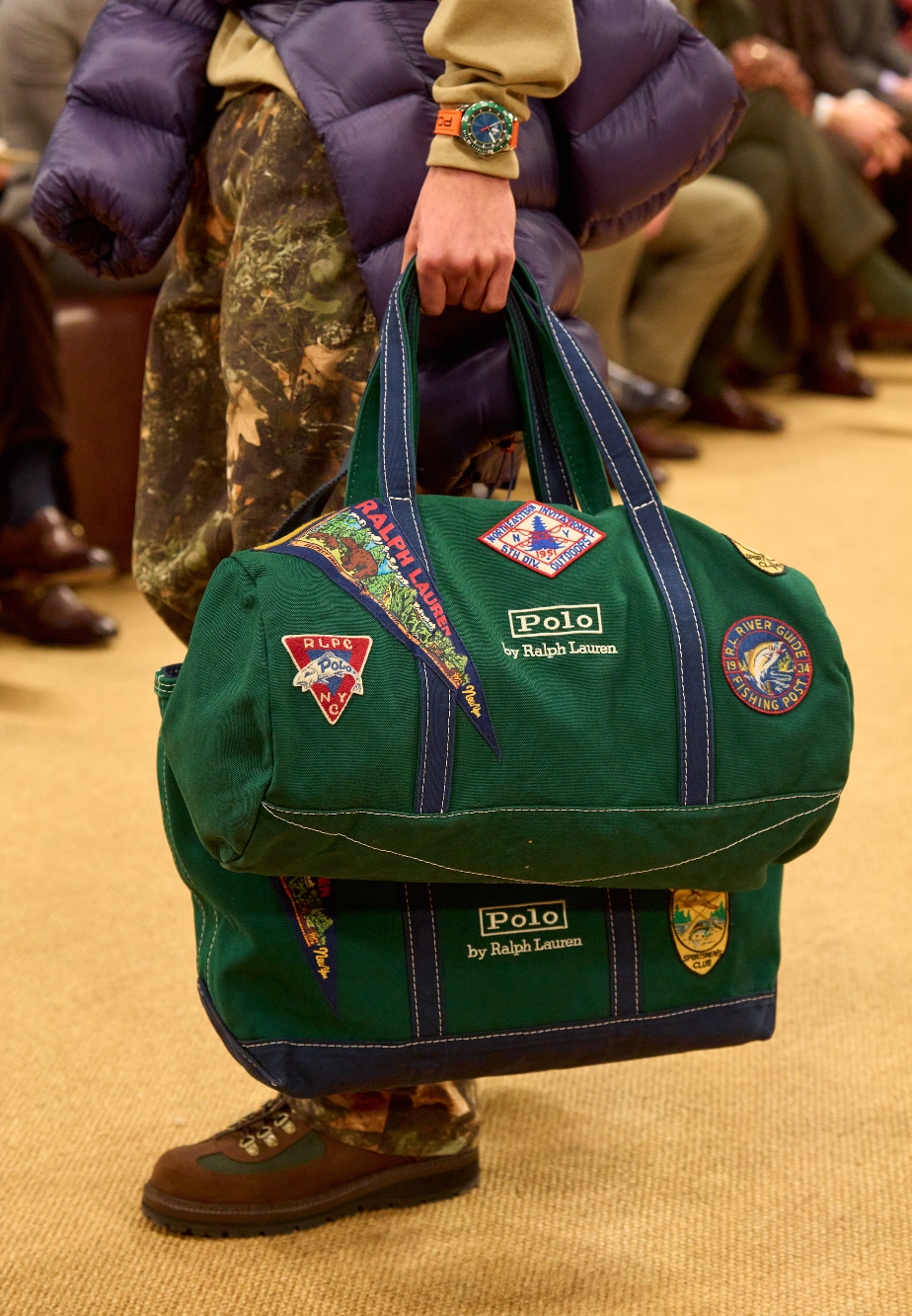
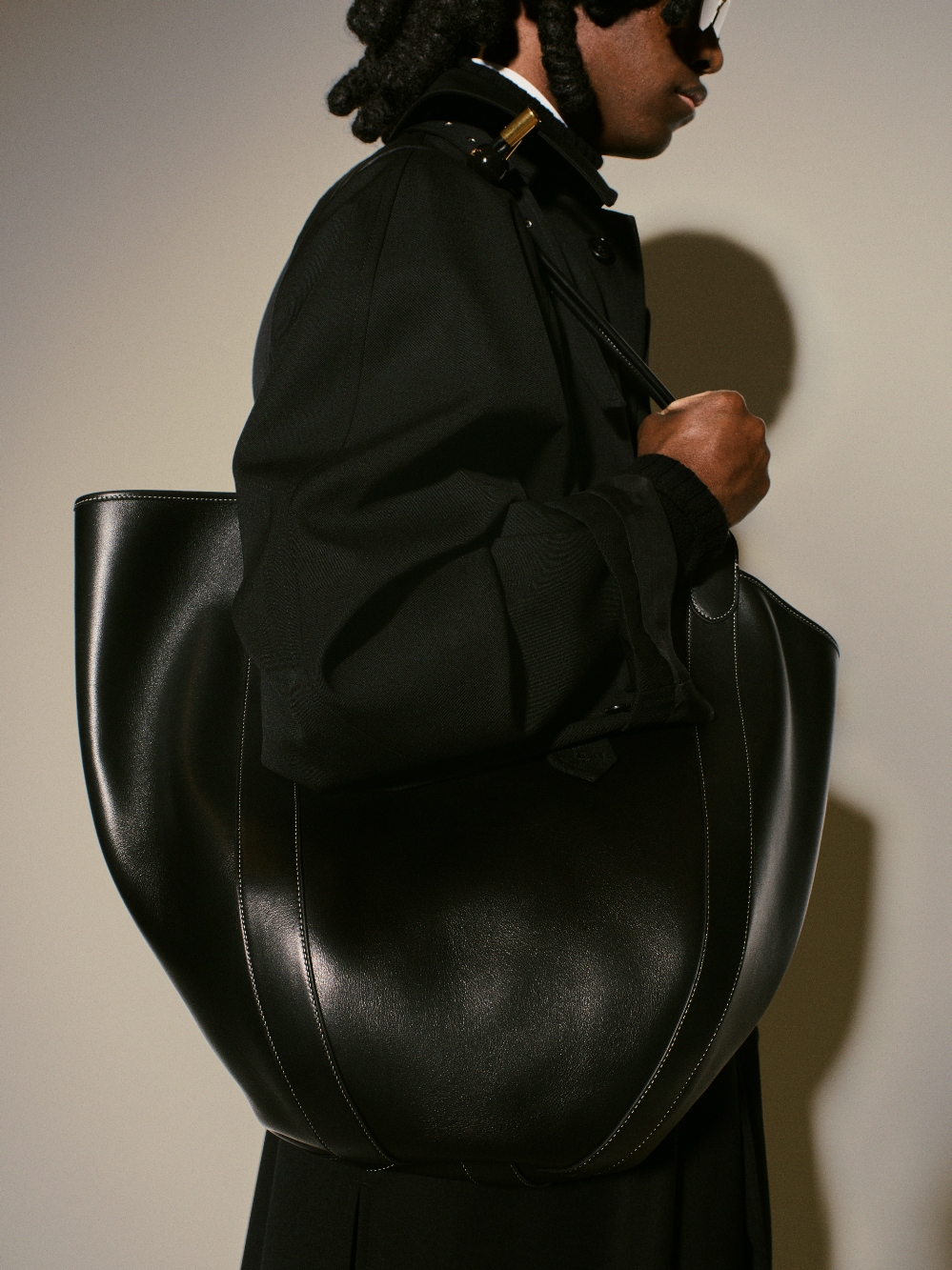
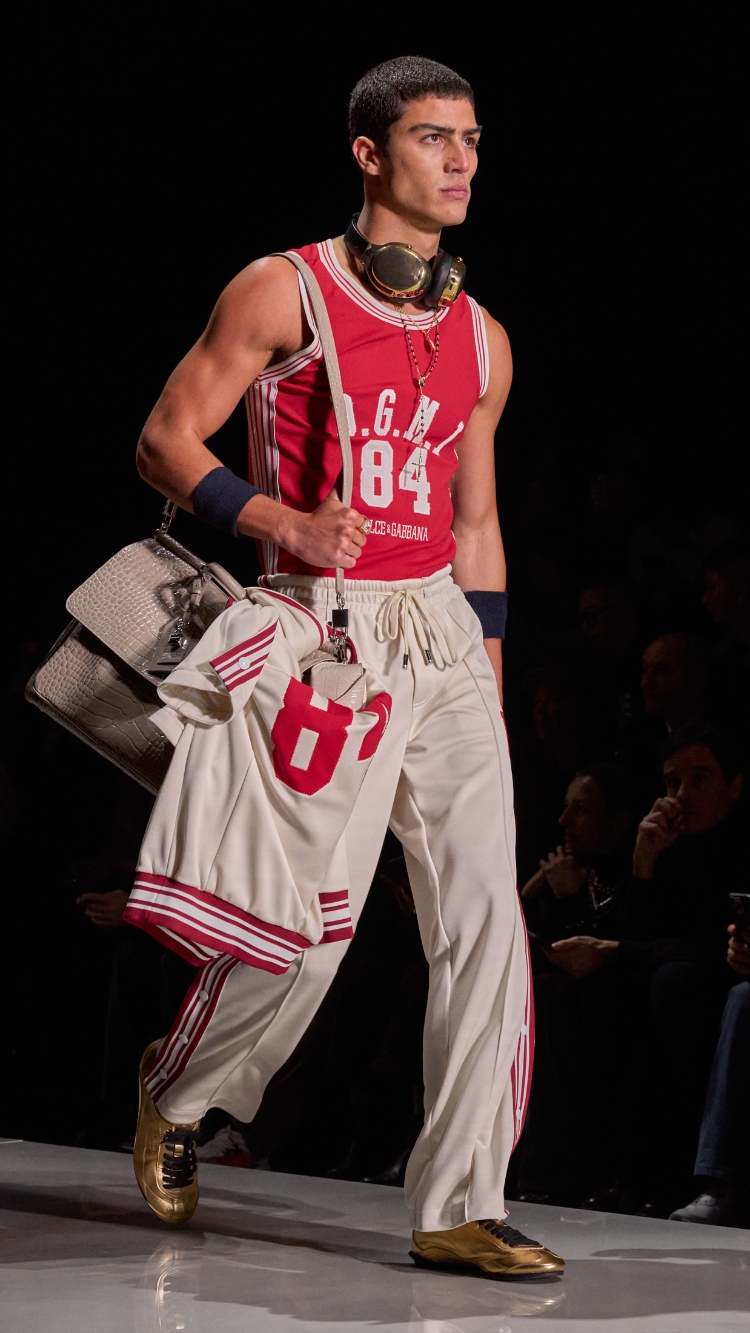
Ralph Lauren (left), CELINE (centre), Dolce & Gabbana (proper)
Whereas Ralph Lauren anchored seems with Heritage Assortment baggage and Alpine boots, reinforcing the concept of equipment as way of life instruments, Armani’s beneficiant totes and crossbody baggage mirrored the prioritising of ease and motion. As menswear reveals are additional streamlined, equipment now carry a major business weight making baggage one of the vital dependable income drivers on the runway.
Experimentation with Familiarity
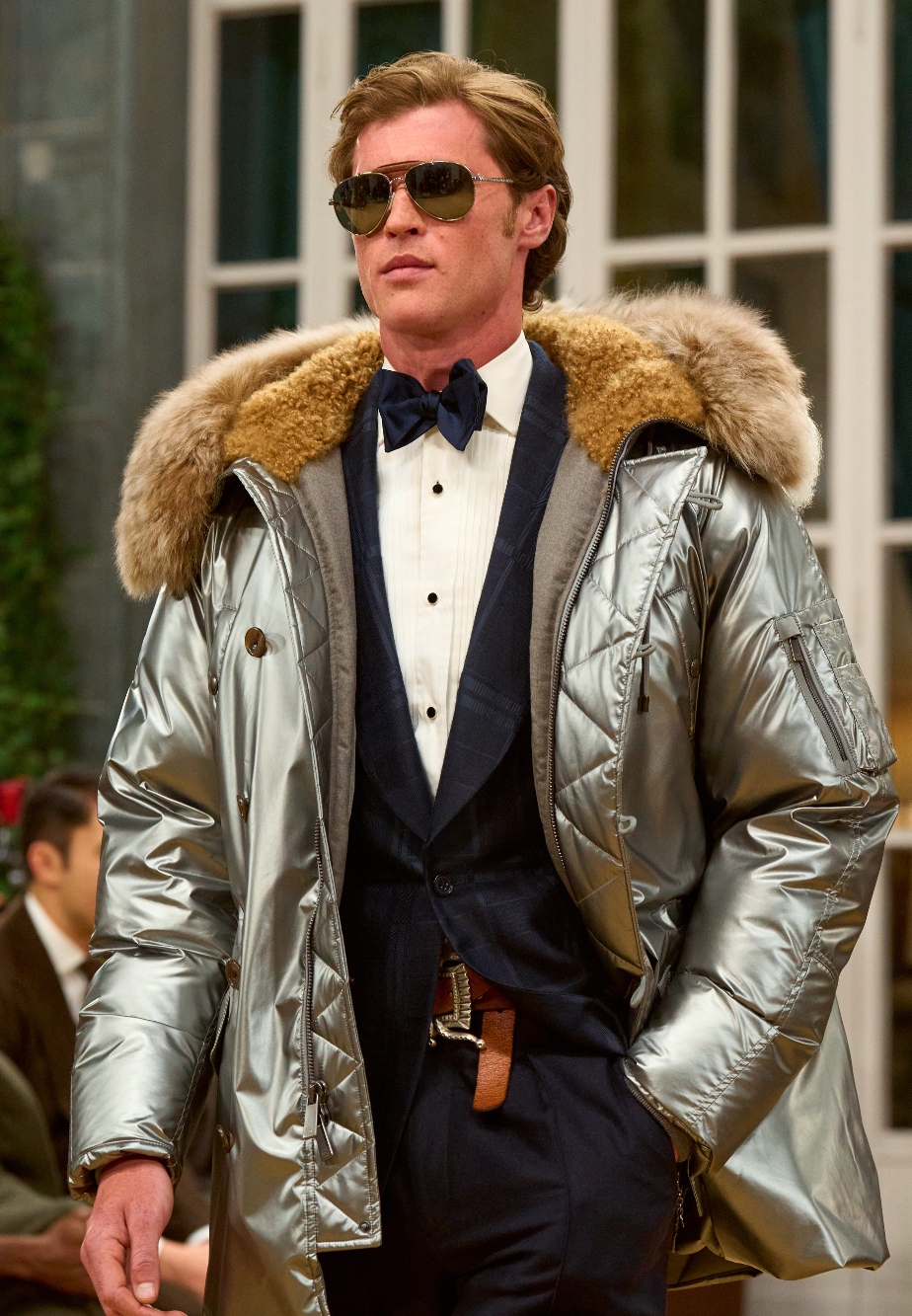
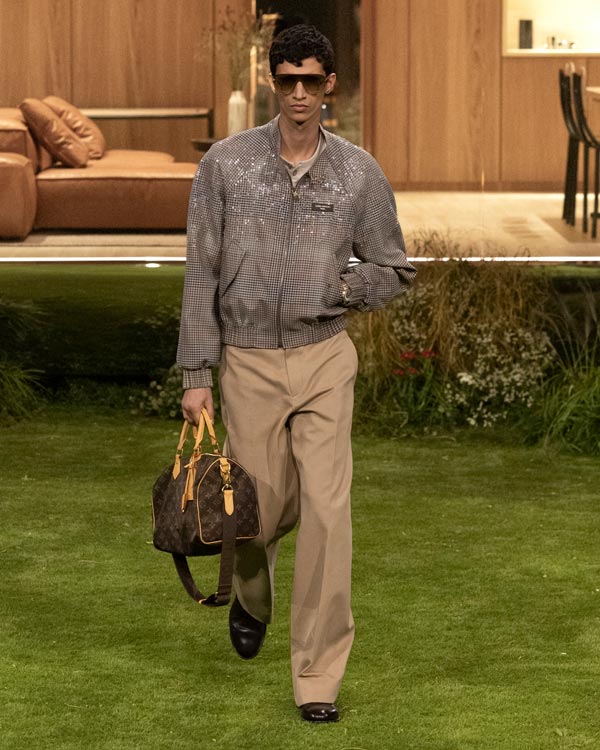
Ralph Lauren (left), Louis Vuitton (proper)
Throughout Paris and Milan, experimentation was grounded in familiarity. Outerwear was concurrently wearable and experimental. At Dior, contradictions drove creativity. Technical bombers flowed into brocade capes, whereas navy references collided with couture detailing. Bar jackets have been reimagined in denim and technical materials, with cropped and elongated silhouettes providing versatile sartorial codes between formal and informal. Louis Vuitton highlighted performance-infused tailoring and workwear references, combining traditional “gentlemanly” coats with technical materials and reflective materials. Even Hermès leaned into elongated silhouettes and geometric leather-based patchwork.
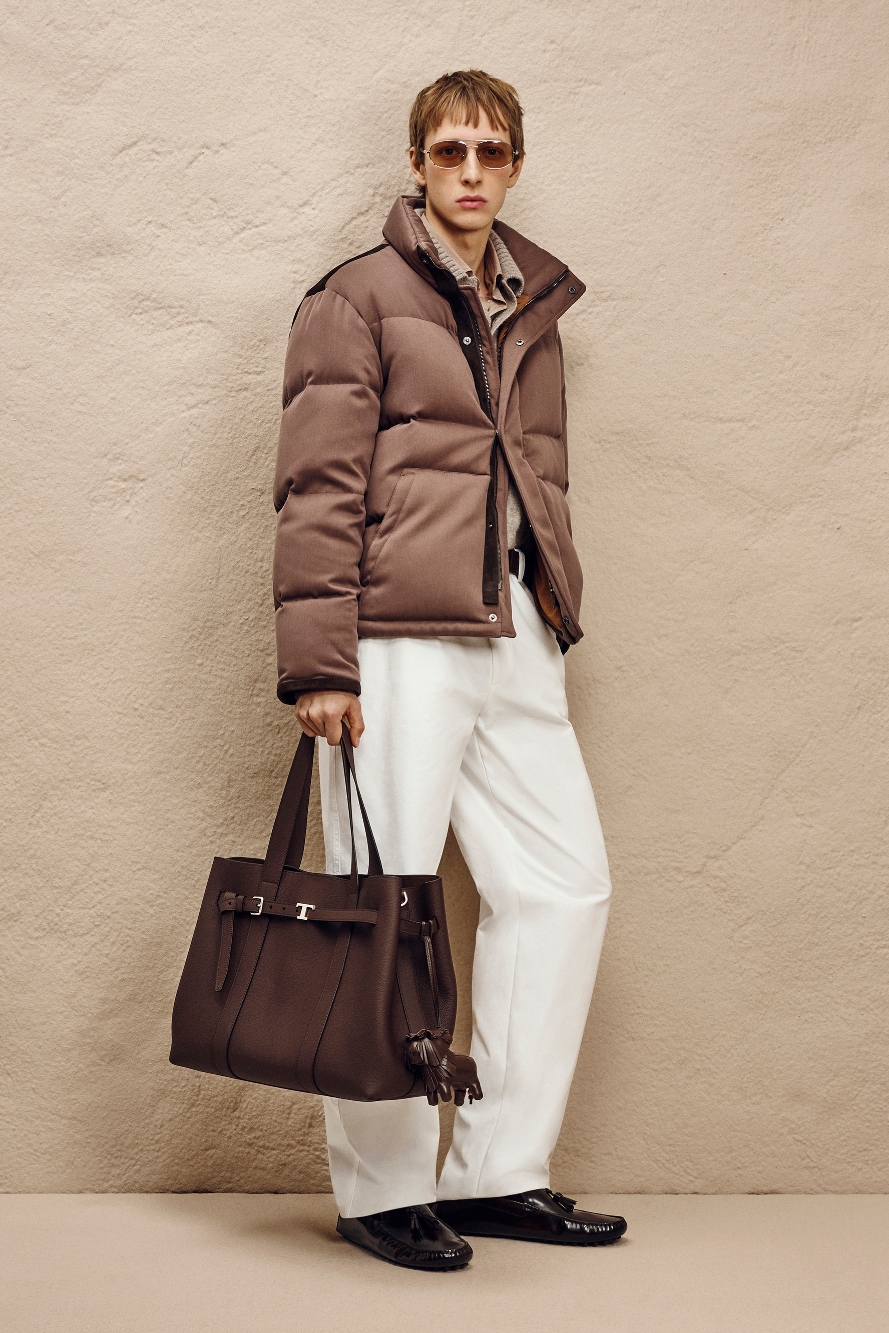
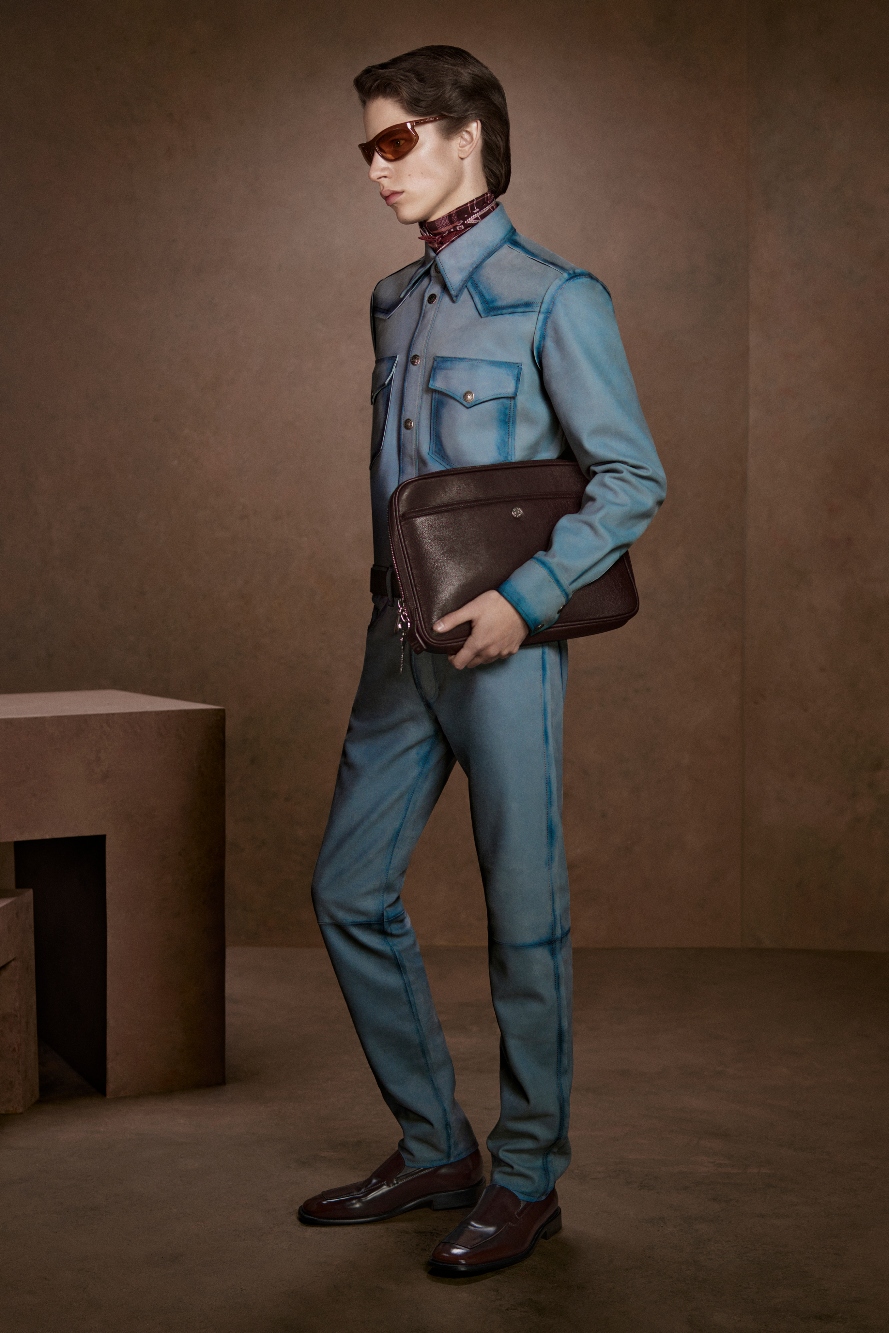
Tod’s (left), Zits (proper)
This shift displays males’s vogue reacting to sensible wants by prioritising motion and catering to the weather with out forsaking type — a response to cultural demand for purposeful, wearable luxurious. Zits Studios explored the evolution of menswear codes via lived-in denim, elegant tailoring and heritage silhouettes such because the revived 1996 straight-leg jean. Trompe-l’œil remedies and visual restore performed with phantasm, however the basis remained deeply recognisable.
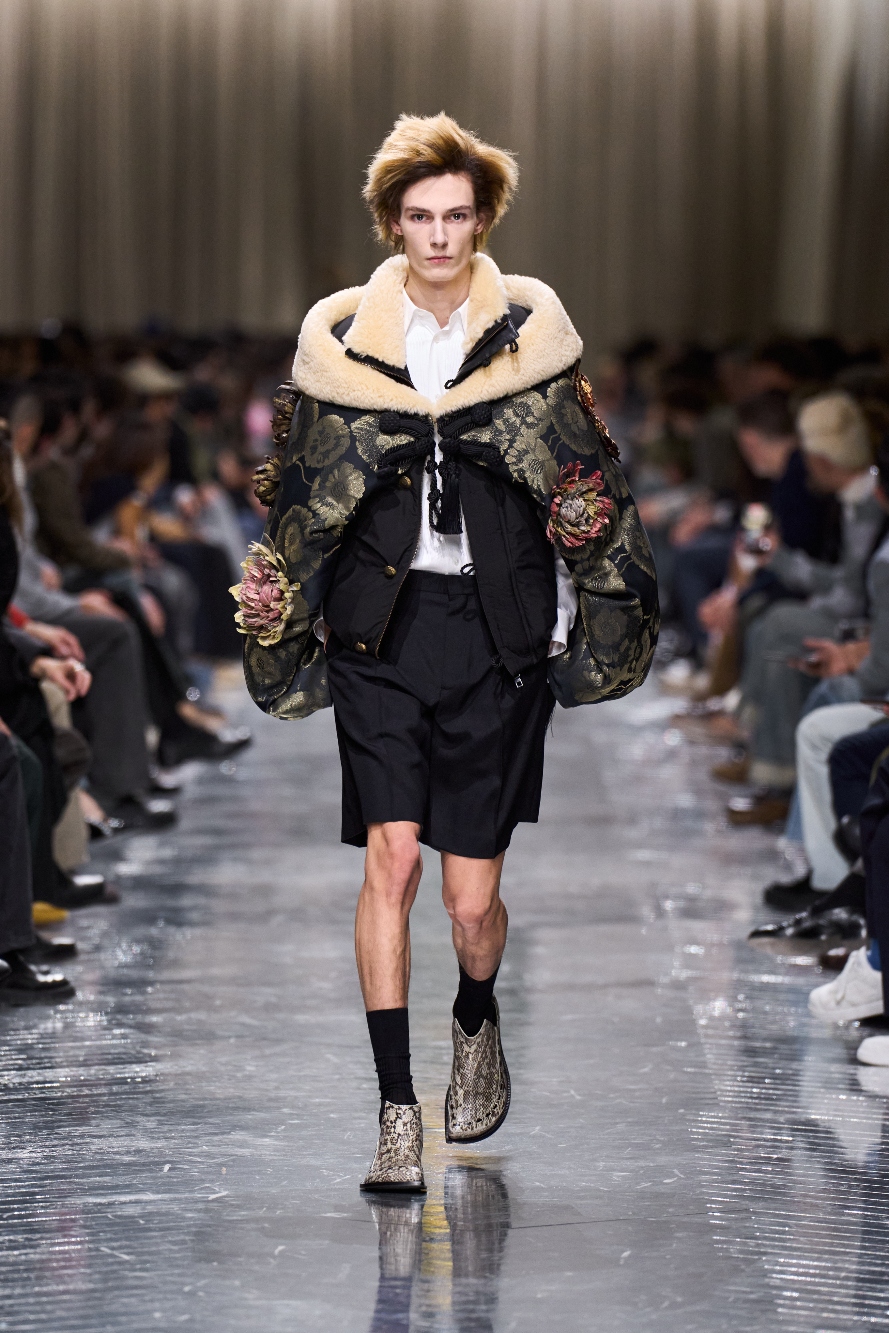
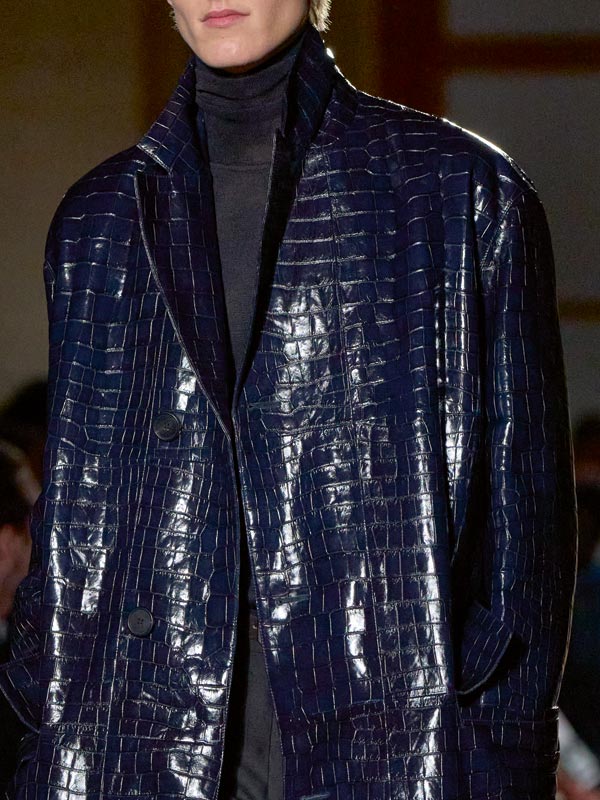
Dior (left), Hermes (proper)
At Dior, contradictions drove creativity. Technical bombers flowed into brocade capes, whereas navy references collided with couture detailing. Cropped Bar jackets, elongated blazers and tailcoats have been paired with denim, parkas and lengthy johns, demonstrating how formal construction can coexist with experimentation. Hermès, underneath Véronique Nichanian, provided maybe the clearest instance of evolution with out rupture. Elongated silhouettes, leather-based shirting and cropped jackets maintained steadiness and restraint. Archival references have been folded seamlessly into new seems, reinforcing the concept timelessness itself is innovation, as elongated silhouettes, leather-based shirting and cropped jackets anchored the gathering.
Refined Luxurious
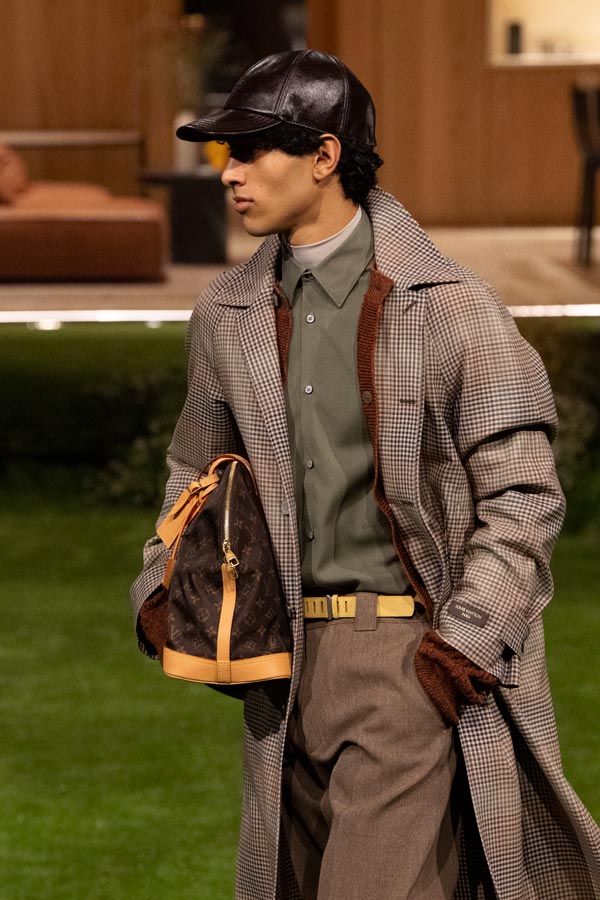
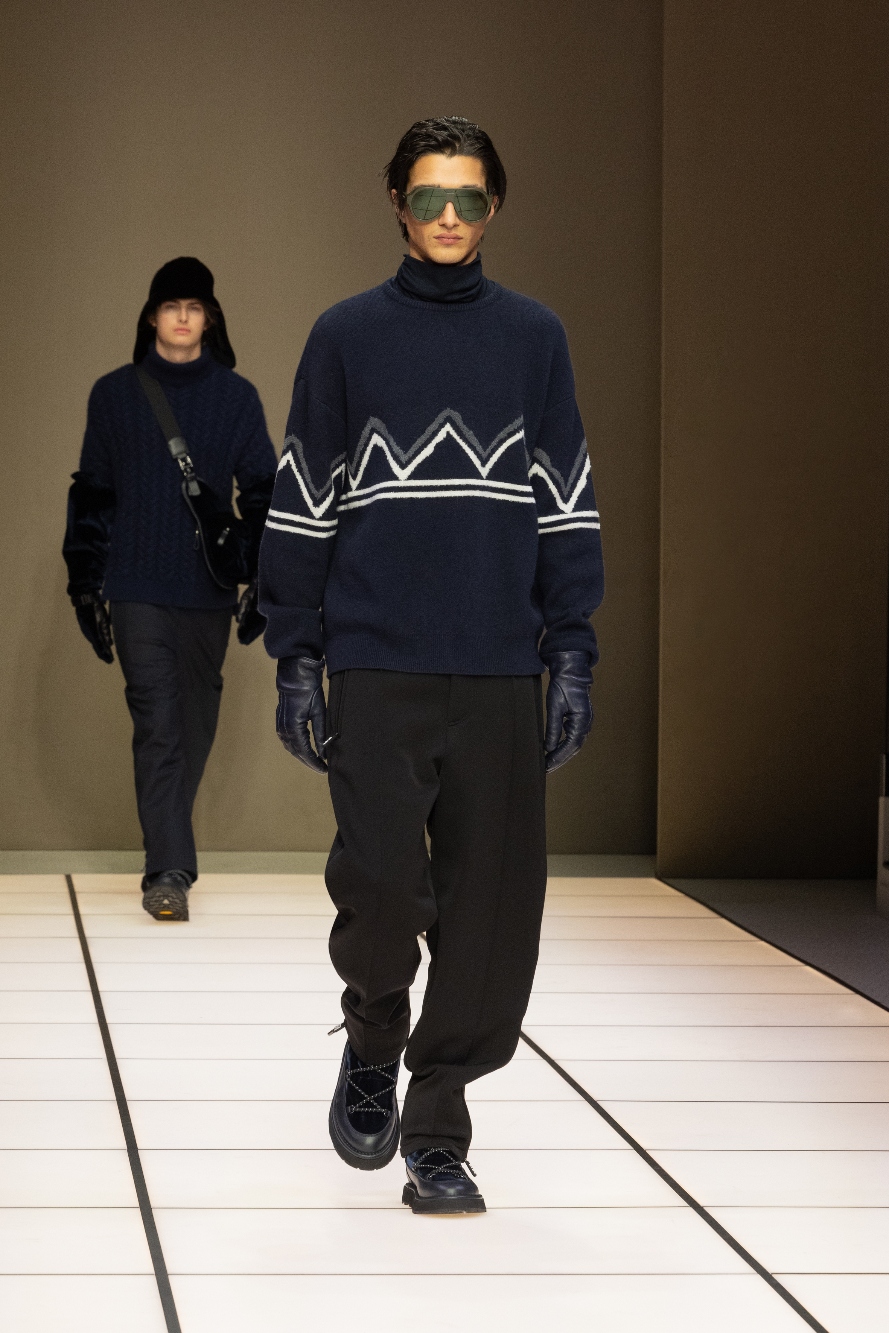
Louis Vuitton (left), Giorgio Armani (proper)
Males’s autumn/winter ’26 noticed the commercialisation of wardrobe staples. The inclusion of intricate knitwear, elevated sweaters in cashmere, leather-based jackets and tailor-made coats have been positioned as long-term investments moderately than seasonal items. Tod’s exemplified this via its deal with leather-based, notably the Pashmy challenge, the place traditional jackets have been elevated via distinctive supplies moderately than trend-led design. The Winter Gommino additionally turned a logo of understated longevity. At Brunello Cucinelli, knitwear took centre stage. Cashmere, tweeds and Donegal materials have been reworked into cosy cardigans and textured knits that would outline a whole look. CELINE — underneath Michael Rider — framed menswear as “all the pieces you may want”. Classics with chunk, garments that really feel obligatory and private and materials that final bolstered the concept of menswear as a reliable wardrobe system.
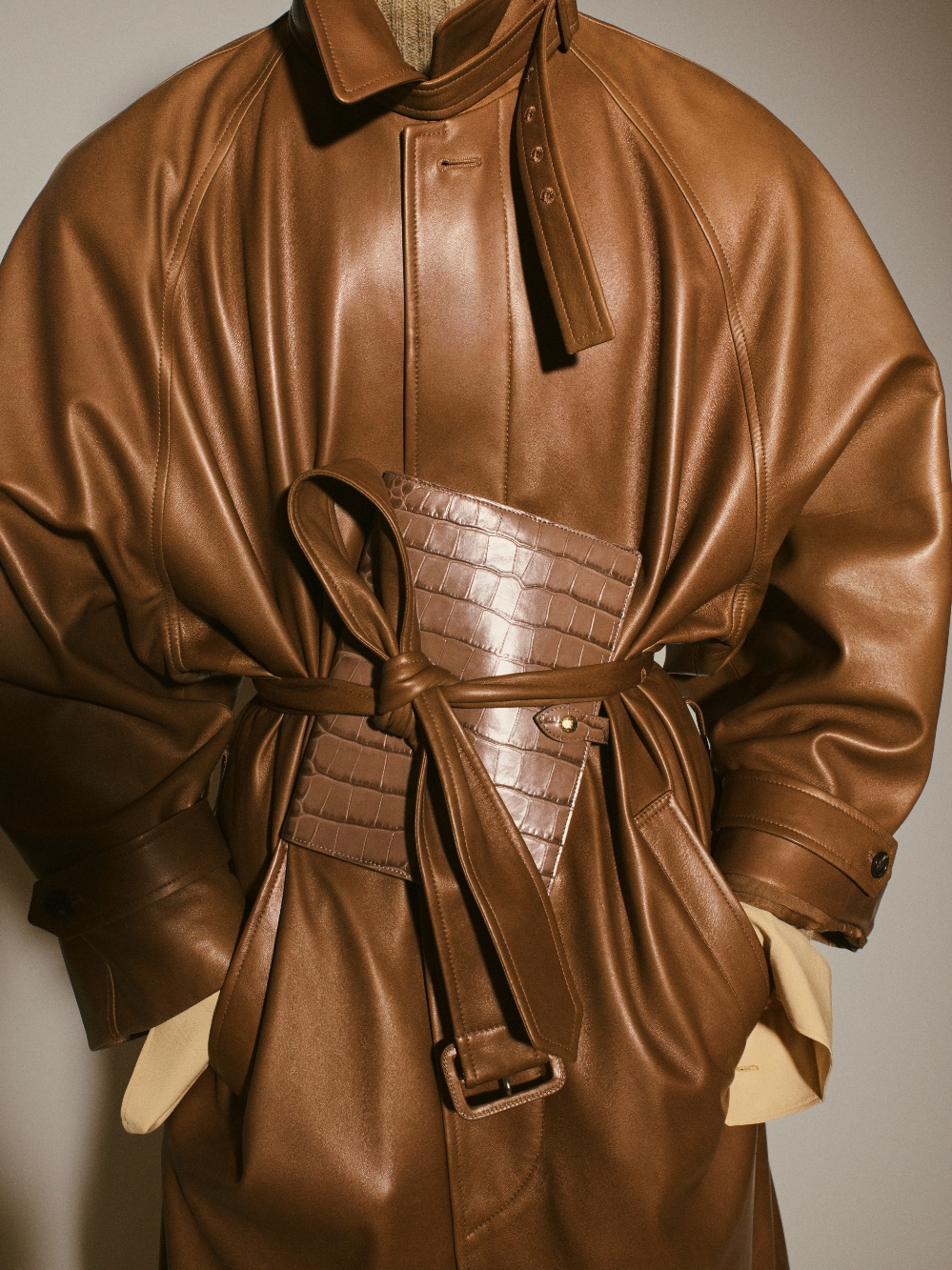
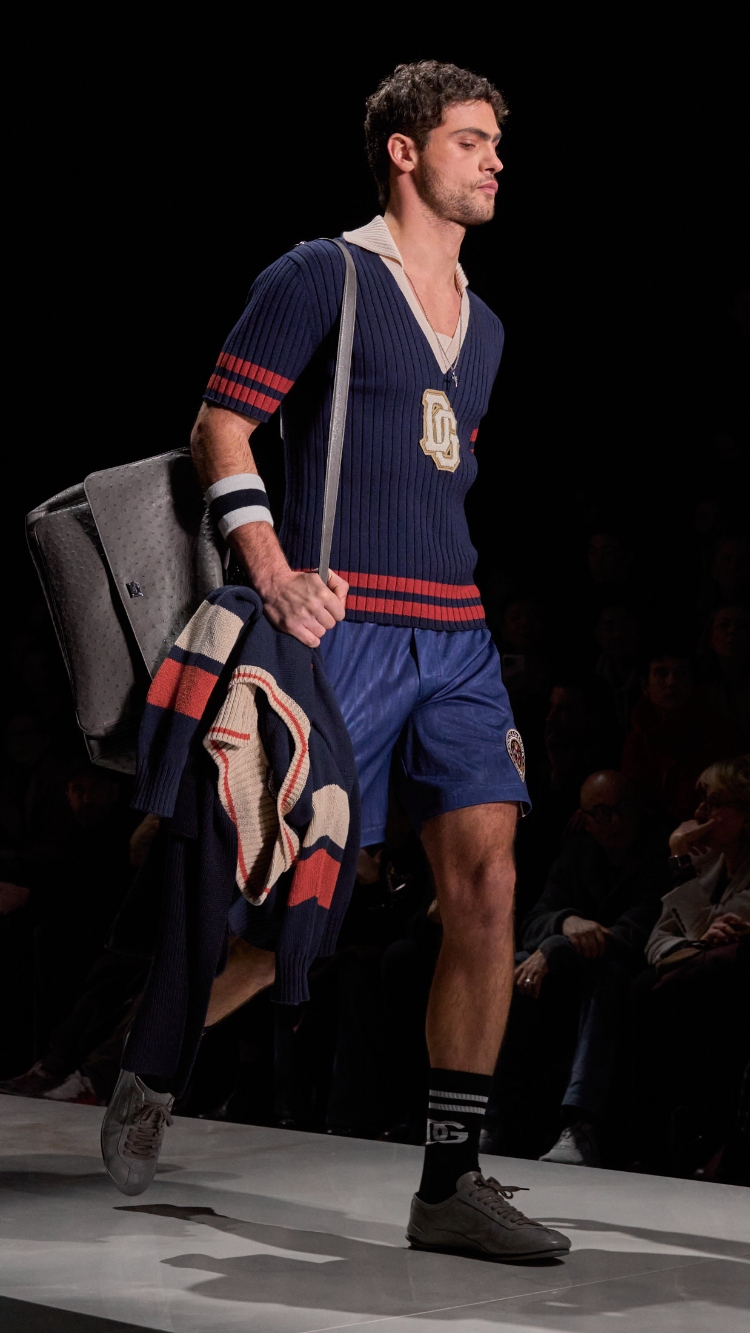
Celine (left), Dior (proper)
Dior’s knit tops paired with sequinned vests, Bar jackets over denim jorts and D-shaped boots borrowed from womenswear highlighted fluid, high-low styling. Hermès maintained elongated, balanced proportions whereas incorporating sensual materiality, together with leather-based shirting, cropped jackets and archival nods that would attraction throughout conventional gender boundaries. Zits Studios echoed this via cashmere layering, argyle knits and refined outerwear archetypes equivalent to Harrington and suede flight jackets.
For extra on the newest in luxurious vogue and elegance reads, click on right here.
Supply hyperlink