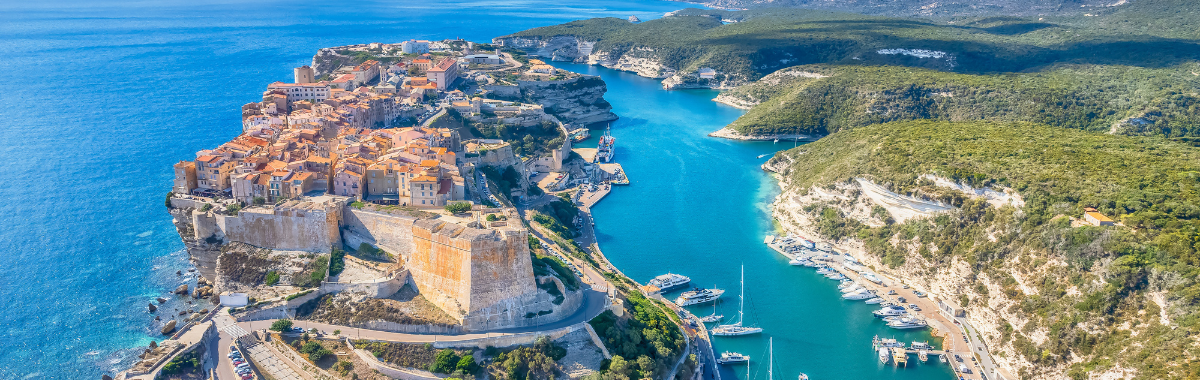
One of many extra mysterious islands within the Mediterranean is Corsica, one in all France’s 18 areas. Close by Sardinia, which is a part of Italy and usually paired with Corsica on summer season itineraries resembling Treasure Troves of Corsica & Sardinia, is understood for its seashores and crystal-clear waters. Corsica, however, has a really various panorama with dramatic mountain ranges, forests and historic cities and cities.
Though Corsica is a part of France, its traditions and cultures are, mockingly, extra reflective of Italy, Genoa particularly, with which it was as soon as linked.
Corsica reveals itself finest from the ocean (above picture is of Bastia). Approaching the island by cruise ship, the shoreline rises in rugged confidence—granite cliffs, pine-covered hills, and cities that appear to develop organically from rock and salt. Over the course of port calls at Ajaccio, Bastia, and Bonifacio, you’ll perceive why Corsica isn’t just a vacation spot however a character: fiercely unbiased, quietly proud, and endlessly stunning.
Visiting Ajaccio, Bastia, and Bonifacio on a single cruise reveals the outstanding variety of those locations. In just some days, the island shifts from polished capital to working port to cliffside marvel, every cease including depth to the story. What ties them collectively is a shared sense of id—Corsica as one thing distinct, formed by geography, historical past, and a fierce attachment to position.
The place Is Corsica and Why Go to by Luxurious Cruise?
Corsica is a French island positioned southeast of mainland France and west of Italy. It’s well-known for:
-
Crystal-clear waters and secluded seashores
-
Dramatic limestone cliffs
-
Michelin-quality eating
-
Unique marinas and yacht tradition
-
Wealthy historical past, together with being the birthplace of Napoléon Bonaparte
Ajaccio’s the massive metropolis for artwork, tradition and Napoleon Bonaparte
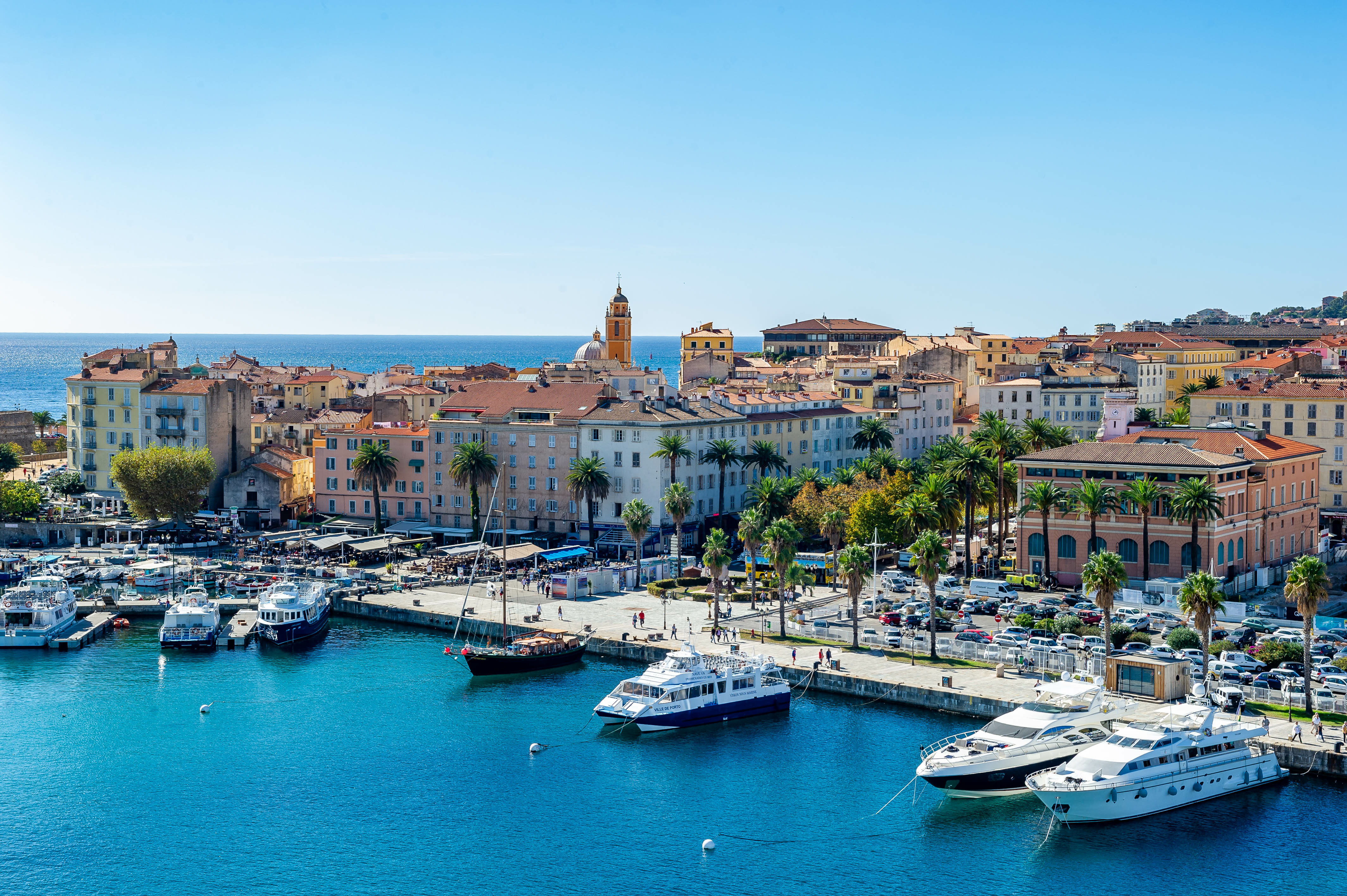
Ajaccio, Corsica’s capital and the birthplace of Napoléon Bonaparte, the French emperor, has a relaxed Mediterranean ease. The port opens instantly onto palm-lined boulevards and pastel buildings that glow softly within the morning mild. It’s a metropolis that feels lived-in slightly than staged, the place locals linger over espresso and dialog feels as important as respiration.
In City:
As you stroll across the metropolis you’ll discover quite a few monuments to Bonaparte and naturally the Maison Bonaparte, his childhood house, is a vital museum. The Palais Fesch Museum of Superb Arts and the Imperial Chapel is one other necessary museum, showcasing necessary collections of Italian Masters (the Excessive Renaissance period), Italian primitive work (14th and 15th centuries) and Corsican painters.
The Place De Gaulle, often known as Place du Diamont, is a festive, café-lined sq. with a carousel and room for youths to skate and bicycle. And for purchasing and café-hopping, head for the Rue Cardinal Fesch and Cours Napoléon. And eventually, don’t miss out on the Ajaccio Market, the place you’ll be able to dive into substances grown and made on the island; it’s open every day (on weekends, an additional market, promoting costume jewellery and clothes, units up alongside).
Nature and landscapes:
The Prunelli Gorges Loop is a good daytrip from Ajaccio that takes you to steep valleys ringing the Prunelli Lake, scenic villages, river gorges, forests and the gorgeous Lake Tolla.
Why do you have to go to the working port metropolis of Bastia?
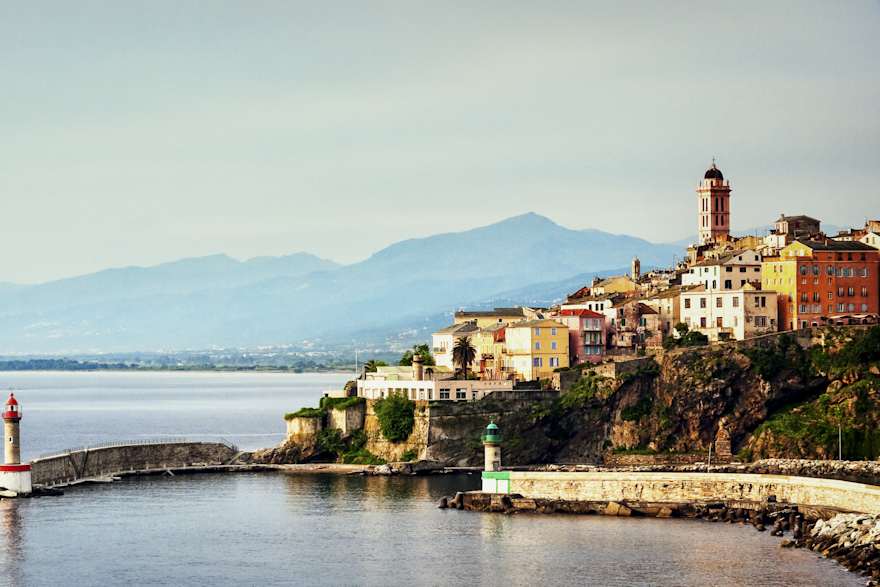
Bastia, which lies on the north a part of the island, feels totally different from Ajaccio. It’s much less polished, extra lived-in — a working port metropolis with pale pastel buildings, slender streets, and a powerful Italian really feel. If Ajaccio is about Napoleon and seaside promenades, Bastia is about environment.
On the town:
Terra Veccia, the previous port, is the center of Bastia, with its small marina of fishing boats and yachts, native bakeries and small bars. Additionally historic is Terra Nova, the citadel, constructed by the Genoese within the 15th century; climb up and admire the ocean vistas. St. Mary’s Cathedral is value a go to, too, once you’re there. Again within the coronary heart of Bastia is Place Saint-Nicolas, town’s social hub, with outside cafes and nice people-watching. If you wish to pattern native meals, attempt wild boar, brocciu cheese, and Muscat from Cap Corse.
Nature and landscapes:
Take a daytrip to Cap Corse, alongside Cliff Highway, a ribbon of coast at 3,280 toes, with a stupendous view of the Tuscan archipelago. Different elements of Cap Corse embrace the colourful fishing village of Erbalunga, the sheer cliff of Nonza, with its superb landscapes.
Craggy, clifftop Bonifacio
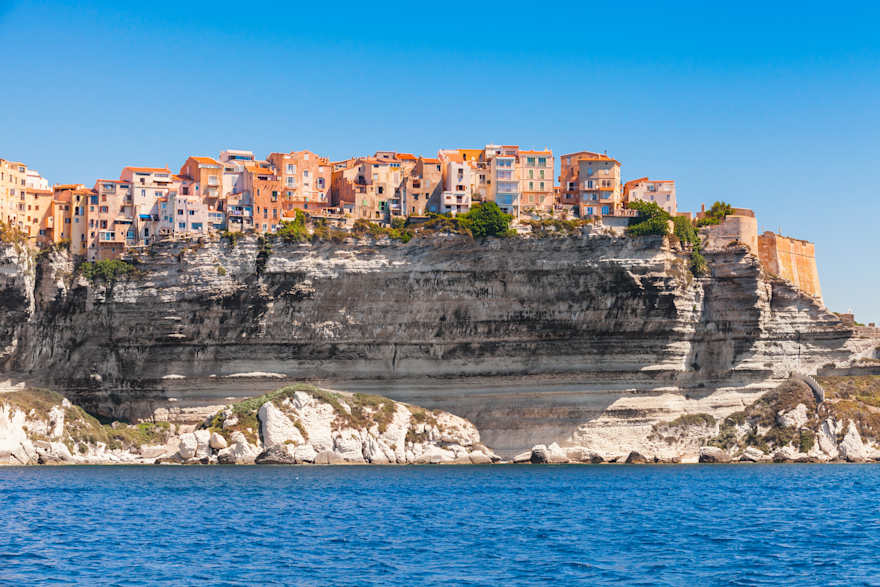
Thought of a jewel on the coast of southern Corsica, Bonifacio overlooks the Mediterranean Sea. It’s finest recognized for its dramatic cliffs and its previous citadel – and it’s simply 12 kilometers from Sardinia, throughout the Strait of Bonifacio.
On the town:
Go to the atmospheric Bosco quarter, house to the historic St. Francis Convent. And but the massive draw is the marine cemetery, the place white tombs and chapels are organized like a miniature village beside cliffs that overlook the Mediterranean.
St. Dominique Church, in-built Corsican Gothic fashion in about 1270 is a magnet for exploring Bonifacio’s slender and winding alleys. For culinary lovers, pattern Corsican tasting at Galerie des Ducs, which serves native specialties and wines amidst panoramic views of the Bonifacio cliffs. Bonifacio Citadel (La Haute Ville) is an historic, medieval fortress on prime of limestone cliffs. There are nice views over the harbor and the Strait of Bonifacio.
The legend of King Aragon’s Stairway (Escalier du Roi d’Aragon), 187 steps carved right into a cliff that leads all the way down to the ocean, is that it was in-built only one night time by the King of Aragon’s troops. Climb fastidiously.
Save your urge for food for the native seafood eating places in Bonifacio’s previous harbor (attempt the lobster).
Nature and landscapes:
On a guided kayak tour in Bonifacio’s Nature Reserve you’ll observe seabirds, move the attractive Petit and Grand Spérone seashores and glide right into a hidden lovers’ cave. Within the heat turquoise waters ringed by spectacular limestone cliffs, you’ll study concerning the area’s wildlife, flora, geology and historical past, together with just a few breaks for swimming.
Curious to expertise Corsica (and Sardinia)? Listed below are some Windstar choices:
Supply hyperlink